


Lungworm in Dogs: Causes, Symptoms & Prevention Tips
We’ve recently had several clients ask about lungworm after reports in the press. While lungworm is not especially common in our area, it can, in some cases, be serious or even fatal if contracted.
How Dogs Get Lungworm
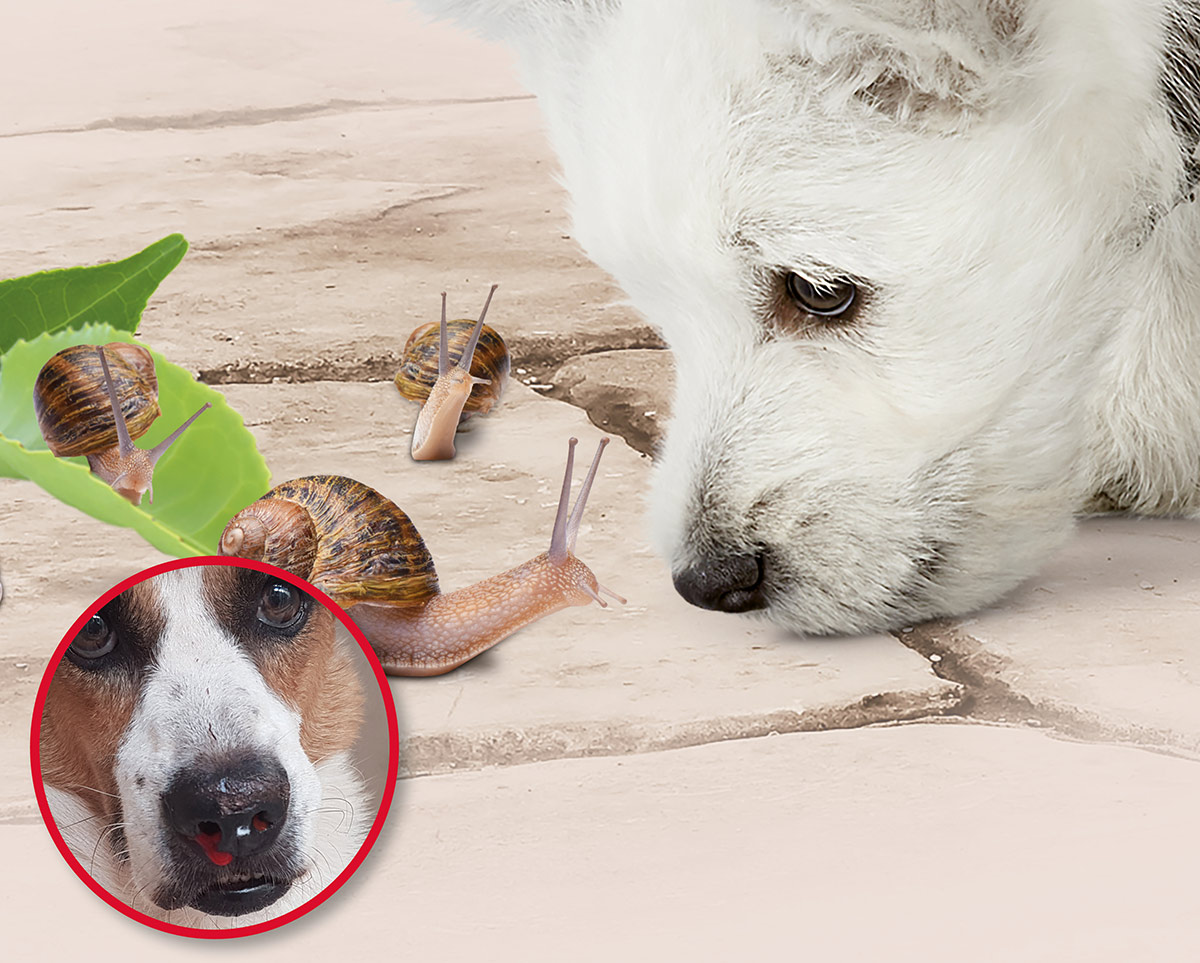
Lungworm is a parasite transmitted via snails, slugs, and sometimes frogs. Dogs can ingest it by:
-
Eating snails, slugs, or frogs deliberately
-
Accidentally consuming larvae when eating grass or chewing toys in the garden
Who is most at risk?
Younger, curious dogs are most commonly affected, although dogs of any age can contract lungworm.
How the parasite works:
-
Adult worms live and reproduce in the heart and blood vessels of the lungs.
-
They lay eggs which hatch into larvae, are coughed up, swallowed, and passed in the dog’s faeces.
-
Snails, slugs, and frogs ingest the larvae, and the cycle begins again when dogs eat these creatures.
Foxes can also act as a reservoir for lungworm, spreading the parasite into the environment.
Symptoms of Lungworm in Dogs
Signs of lungworm can be vague and variable, including:
-
Coughing
-
Reduced exercise tolerance or breathlessness
-
Poor blood clotting (bleeding problems)
-
Neurological issues such as seizures or back pain
Some dogs may not show obvious symptoms but can still develop serious complications.
Prevention and Treatment
Prevention is key. If your dog spends time in grass or is prone to eating slugs, snails, or frogs:
-
Consider monthly worming with a treatment effective against lungworm (note: some common wormers, like Drontal, do not protect against lungworm).
-
Keep toys, food, and water bowls clean and indoors when possible.
-
Avoid overusing slug pellets, which are toxic to dogs and children.
Tip: Always speak to your vet to choose the most effective lungworm prevention for your dog.
Takeaway:
While the risk of lungworm is low, early prevention can save your dog from serious illness. If you’re concerned about lungworm or want advice on prevention, contact our clinic today.